is onlyfans legalonlyfans lawsis onlyfans illegalonlyfans banned countriesonlyfans taxonlyfans legal issuesonlyfans rulescan i use onlyfans
Is OnlyFans Legal? What Creators and Subscribers Need to Know in 2025
·18 min read

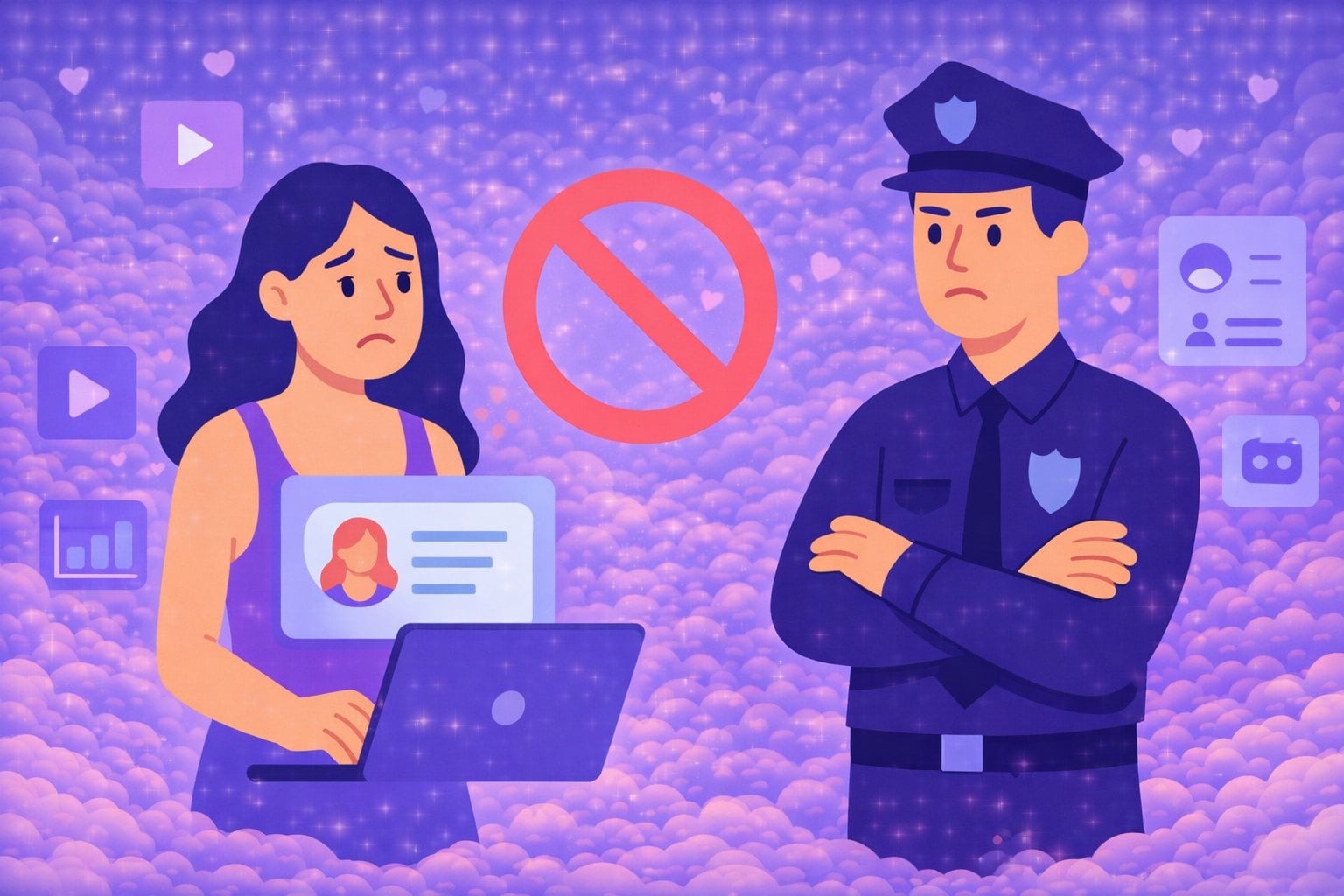
Is OnlyFans legal?
The short answer is yes, in most places. OnlyFans is a legitimate company based in the United Kingdom, operating legally as Fenix International Limited. The platform itself is not illegal.
But the longer answer is more complicated. The legality of using OnlyFans depends on where you live, what content you create or consume, and whether you follow the rules around taxes, consent, and platform policies.
This guide covers everything you need to know about OnlyFans legality in 2025, whether you are a creator, a subscriber, or just curious about how the platform operates within the law.
OnlyFans operates as a content hosting and payment processing platform. It does not create content itself. Instead, it provides the infrastructure for creators to upload content and for subscribers to pay for access.
This distinction matters legally. OnlyFans functions similarly to YouTube, Patreon, or any other platform where users generate the content. The platform is responsible for enforcing its terms of service and complying with laws in jurisdictions where it operates, but individual users are responsible for the legality of their own actions.
Key facts about OnlyFans as a business:
The platform earns money by taking a 20% commission on all creator earnings. In 2023, OnlyFans reported over $6 billion in gross revenue, with creators earning approximately $5 billion after the platform's cut.
This is a substantial, legitimate business operating within legal frameworks in its home jurisdiction and most of the countries where it has users.
OnlyFans is legal and accessible in most Western countries and many others around the world.
United States
OnlyFans is fully legal in the United States. There are no federal laws prohibiting the platform, and adult content between consenting adults is protected under the First Amendment with certain limitations.
The US represents the largest share of OnlyFans users, accounting for approximately 32% of all traffic to the platform.
State laws vary on specific content types, but the platform itself operates legally across all 50 states. Creators must comply with federal record keeping requirements (2257 regulations) for adult content, which OnlyFans handles through its verification process.
United Kingdom
As the home country of OnlyFans, the UK has clear legal frameworks governing the platform. Adult content is legal for consenting adults, and creators must comply with UK laws regarding obscenity, age verification, and business registration.
Canada
OnlyFans operates legally throughout Canada. Canadian law permits adult content between consenting adults, and creators are subject to Canadian tax law on their earnings.
Australia
Legal in Australia with standard adult content regulations. Australian creators must comply with local classification guidelines and tax requirements.
European Union
OnlyFans is legal throughout the European Union. Each member state has its own specific regulations around adult content, but the platform operates across the EU without restrictions.
Countries like Germany, France, Spain, Italy, and the Netherlands all have active OnlyFans creator and subscriber communities operating within local legal frameworks.
Other Legal Jurisdictions
OnlyFans also operates legally in:
The general pattern is that countries with legal frameworks permitting adult content between consenting adults also permit OnlyFans.
Several countries have banned OnlyFans outright or severely restricted access. These restrictions typically stem from laws against pornography, religious or cultural values, or broader internet censorship policies.
United Arab Emirates (UAE)
OnlyFans is blocked in the UAE due to strict laws against pornography and content deemed contrary to public morality. Attempting to access the platform through VPNs is also technically illegal, though enforcement varies.
Saudi Arabia
Similar to the UAE, Saudi Arabia blocks OnlyFans under its pornography and morality laws. The country maintains one of the most restrictive internet censorship regimes in the world.
Qatar
OnlyFans is inaccessible in Qatar due to laws against adult content and strict internet filtering.
Pakistan
Pakistan has blocked OnlyFans along with many other websites containing adult content. The country's telecommunications authority maintains an extensive blocklist.
Iran
Blocked as part of Iran's broad internet censorship, which restricts access to most Western social media and content platforms.
China
OnlyFans is blocked in mainland China, along with most Western social media platforms. The Great Firewall prevents access without VPN usage, which itself operates in a legal gray area.
Russia
Russia has blocked OnlyFans as part of its restrictions on adult content websites. The block was implemented under laws requiring age verification that the platform did not comply with.
Belarus
Blocked alongside other adult content platforms.
North Korea
General internet access is extremely restricted, and OnlyFans is not accessible.
Some countries have not officially banned OnlyFans but have taken actions that make its legal status uncertain:
India
India has not officially banned OnlyFans, but the government has periodically blocked access to the platform. Individual creators have faced legal action under obscenity laws. The legal status remains ambiguous and subject to change.
Turkey
Turkey has blocked and unblocked OnlyFans multiple times. The platform's accessibility can change based on government decisions, and creators face potential legal risk under Turkish obscenity laws.
Indonesia
While not officially banned, Indonesia restricts access to adult content websites, and OnlyFans may be inaccessible depending on internet service providers.
Egypt
Adult content is illegal in Egypt, and while OnlyFans is not specifically named in bans, accessing it could violate local laws.
If you live in a country where OnlyFans is banned or restricted, using the platform carries real legal risk. This applies to both creators and subscribers.
Using a VPN to bypass restrictions may work technically but does not make your activity legal. You are still subject to local laws, and those laws may criminalize accessing prohibited content regardless of how you access it.
The consequences vary by country but can include:
If you are unsure about the legal status of OnlyFans in your country, research local laws carefully before creating an account or accessing the platform.
If you are creating content on OnlyFans in a country where the platform is legal, you still have specific legal obligations to meet.
OnlyFans requires all creators to verify their identity and age before posting content. This involves submitting government issued identification and completing a verification process.
This requirement exists because:
If your content features anyone other than yourself, you are responsible for:
Failure to properly verify age and consent can result in serious criminal charges, not just platform violations. This is one area where there is zero tolerance and no gray area.
Even in countries where OnlyFans is legal, certain content types are prohibited by law:
Universally illegal content:
Content restricted in some jurisdictions:
OnlyFans' Terms of Service prohibit much of this content regardless of local law, so violating these rules results in account termination even if the content might be legal where you live.
This is where many creators get into trouble. OnlyFans earnings are taxable income in virtually every country with an income tax system.
What this means for creators:
Your OnlyFans income is self employment income. You are running a business, even if it feels like a side project.
In the United States, this means:
In the United Kingdom:
Similar requirements exist in Canada, Australia, the EU, and most other countries where OnlyFans operates legally.
Common tax mistakes creators make:
OnlyFans issues tax forms (1099 in the US, or equivalent documentation elsewhere) for creators earning above reporting thresholds. Tax authorities receive copies of these forms. Failing to report income that the government already knows about is a fast path to audits and penalties.
The smart approach:
Depending on where you live and how much you earn, you may need to formally register your OnlyFans activity as a business.
In the US, many creators operate as sole proprietors without formal registration, but forming an LLC can provide liability protection and tax benefits.
In the UK, you must register as self employed with HMRC if you earn more than 1,000 pounds in a tax year.
Other countries have similar thresholds and requirements. Research what applies in your jurisdiction.
Subscribers face fewer legal obligations than creators, but there are still important considerations.
If you live in a country where OnlyFans is legal, accessing the platform as a subscriber is straightforward and legal. You are paying for content from creators who have verified their age and agreed to the platform's terms.
If you live in a country where OnlyFans is banned or adult content is illegal, accessing the platform may violate local laws. The consequences depend on local enforcement, but the legal risk exists.
OnlyFans requires all users to be 18 or older. Creating an account while underage violates the platform's terms and potentially local laws regarding access to adult content.
Paying for a subscription grants you access to view content. It does not grant you ownership or the right to redistribute that content.
Actions that violate copyright law and platform terms:
Creators can and do pursue legal action against people who leak their content. This can result in:
Beyond legal consequences, sharing paid content harms creators who depend on subscription income. The ethical and legal answer is simple: do not share content you do not own.
OnlyFans processes payments through legitimate financial channels, but subscribers should still take precautions:
If a creator asks you to pay outside of OnlyFans (through Cash App, Venmo, direct bank transfer, or cryptocurrency), this is a red flag. Legitimate transactions happen through the platform.
OnlyFans has built systems to comply with laws and protect the platform from legal liability.
All creators must verify their identity before posting content. This involves:
This process is designed to ensure:
OnlyFans uses a combination of automated systems and human moderators to identify and remove prohibited content. The platform responds to user reports and proactively scans for content that violates terms of service or law.
Content that violates policies is removed, and creators who violate rules face consequences ranging from warnings to permanent bans depending on the severity.
OnlyFans cooperates with law enforcement when required. If illegal content is identified (particularly anything involving minors), the platform reports to authorities like the National Center for Missing and Exploited Children (NCMEC) in the United States.
OnlyFans operates through regulated payment processors and complies with financial regulations including:
This is why the platform requires identity verification for both creators (who receive payments) and implements payment security measures.
In the United States and many other countries, yes, potentially. Most employment is "at will," meaning employers can terminate employees for reasons not protected by law. Having an OnlyFans account is not a protected class.
Some employers have morality clauses or social media policies that could apply. Others may terminate employment if your OnlyFans activity conflicts with company image or values.
Whether you disclose your OnlyFans activity or keep it private is a personal decision with career implications worth considering carefully.
You cannot be anonymous to OnlyFans itself. The platform requires identity verification for creators.
However, you can create content without showing your face and use a stage name for your public profile. Many creators successfully maintain anonymity from their audience while still completing required verification.
This approach has limits. Determined individuals may still be able to identify you, and the platform has your real information on file.
Using a VPN is legal in most countries. However, using a VPN to access content that is illegal in your jurisdiction does not make that access legal.
If OnlyFans is banned in your country, using a VPN to access it still violates local laws. The VPN is just the tool; the underlying activity remains subject to local law.
In countries where OnlyFans is legal and you are accessing legal content between consenting adults, subscribing carries no legal risk.
The potential legal issues for subscribers arise from:
For the vast majority of subscribers in legal jurisdictions, using OnlyFans is no different legally than subscribing to Netflix or any other paid content platform.
OnlyFans can ban accounts for violating its Terms of Service. This is a contractual matter, not a legal one (unless your violation also broke laws).
If your account is banned:
Account bans are serious for creators who depend on the income. The best approach is to understand and follow the Terms of Service carefully.
The legal landscape around platforms like OnlyFans continues to evolve. Several trends are worth watching:
Multiple jurisdictions are implementing or considering laws requiring age verification for accessing adult content online. The UK's Online Safety Act and various US state laws are pushing platforms to implement stronger verification for viewers, not just creators.
This could change how subscribers access OnlyFans in the future.
Governments are debating how much responsibility platforms should bear for user generated content. Laws like Section 230 in the US have traditionally protected platforms from liability for user content, but reforms are being discussed.
Changes to these laws could significantly impact how OnlyFans operates.
Tax authorities worldwide are paying more attention to creator economy income. Expect increased enforcement, reporting requirements, and potentially new tax frameworks specifically addressing digital creator income.
The rise of AI generated content and deepfakes creates new legal challenges. Content depicting real people without consent (even if AI generated) raises legal issues that platforms and legislators are still figuring out how to address.
OnlyFans and similar platforms will need to develop policies and tools to address these emerging concerns.
Verify your local laws. Research the specific laws in your city, state or province, and country regarding adult content, self employment, and business registration.
Complete all platform verification. Full compliance with OnlyFans verification requirements protects you legally.
Document consent. For any content featuring others, maintain records of age verification and consent.
Handle taxes properly. Set aside money for taxes, track expenses, and file required returns. Consider working with an accountant.
Understand the Terms of Service. Read the TOS and stay updated when it changes. Violations can cost you your account and income.
Protect your privacy. Decide how much personal information to reveal and implement appropriate security measures.
Keep records. Maintain documentation of your business activities, earnings, expenses, and consent records.
Verify OnlyFans is legal where you live. Do not assume access means legality.
Be 18 or older. This is not optional.
Do not share content. Respect creator copyright and do not redistribute paid content.
Use secure payment methods. Protect your financial information.
Report illegal content. If you encounter content that appears to violate laws, report it to the platform.
If you are looking to discover OnlyFans creators, doing so through legitimate channels helps ensure you are supporting real, verified creators rather than scam accounts.
OnlyFinds indexes over 249,000 verified OnlyFans profiles with search filters for category, location, price, and more. This makes it easy to find creators who match your interests while avoiding fake accounts and scams.
For subscribers concerned about legitimacy, using a discovery platform that aggregates verified profiles provides an extra layer of confidence that you are subscribing to real creators operating within OnlyFans' verification requirements.
Is OnlyFans legal? Yes, in most of the world.
The platform itself operates as a legitimate business. Using it is legal in countries that permit adult content between consenting adults. Creators and subscribers in these jurisdictions can use OnlyFans without legal concerns, provided they follow platform rules and meet tax obligations.
In countries where OnlyFans is banned or adult content is illegal, using the platform carries real legal risk. No VPN or workaround changes the underlying legality in your jurisdiction.
For creators, the main legal obligations are:
For subscribers, the main considerations are:
The legal landscape continues to evolve, and regulations may change. Staying informed about laws in your jurisdiction is the best way to use OnlyFans safely and legally.
OnlyFinds helps you discover OnlyFans creators through smart search. Browse 249,000+ profiles by category, location, and price to find exactly what you are looking for.
Verified profiles. Real creators. Easy search.
This article provides general information about OnlyFans legality and should not be construed as legal advice. Laws vary by jurisdiction and change over time. Consult a qualified attorney for advice about your specific situation.