ai onlyfansai influencervirtual creatorai generated contentfanvue aiai modelsvirtual influencerai content creatorsynthetic media

AI generated influencers are earning thousands of dollars per month on subscription platforms.
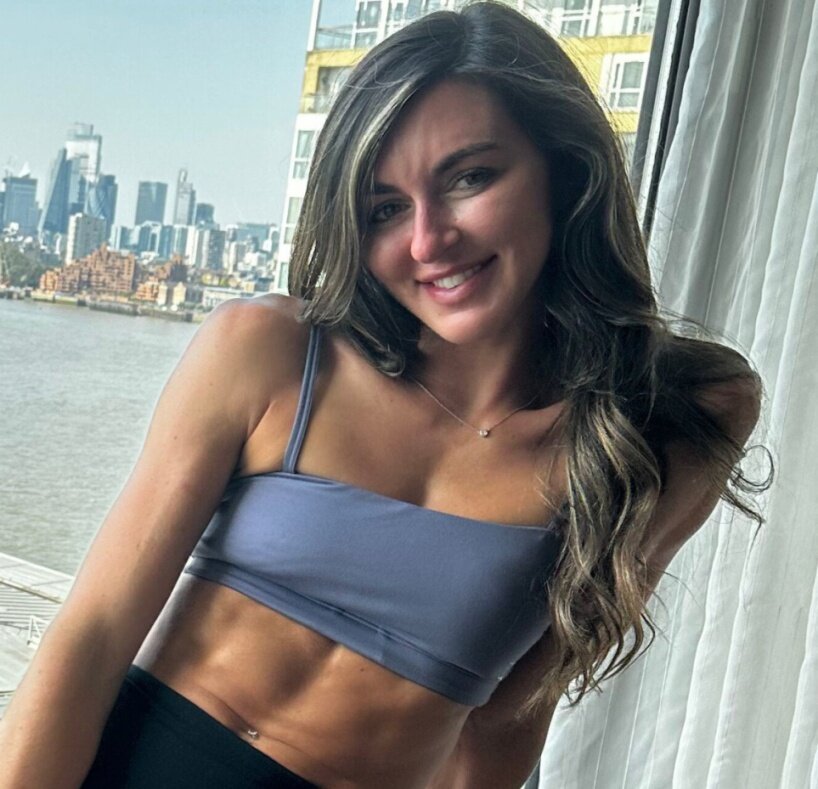
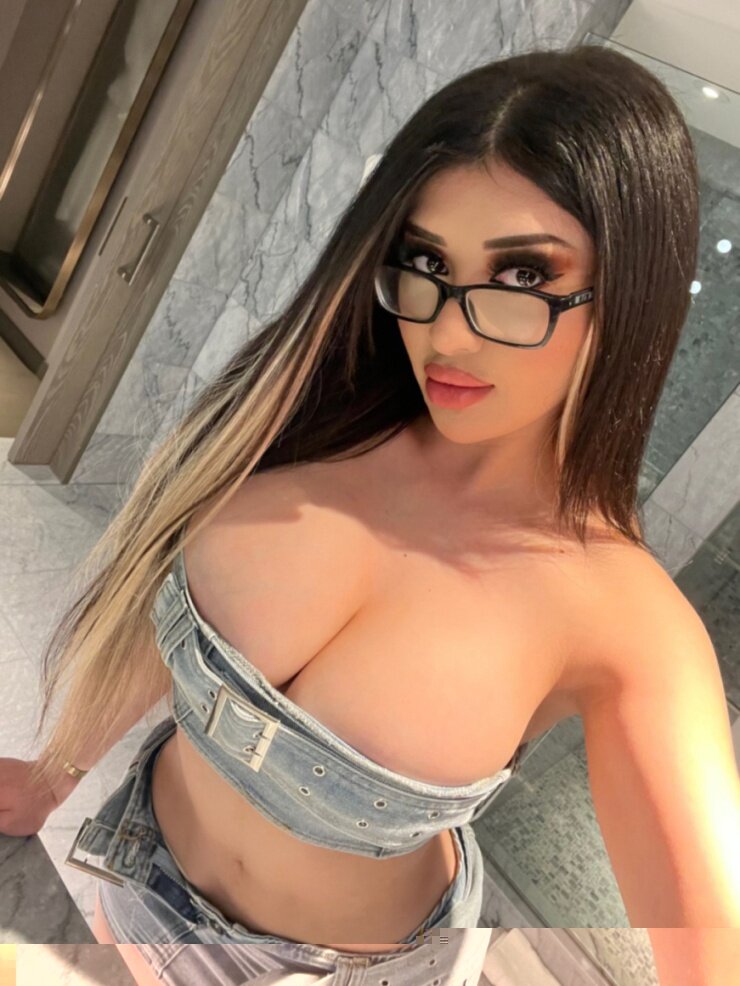
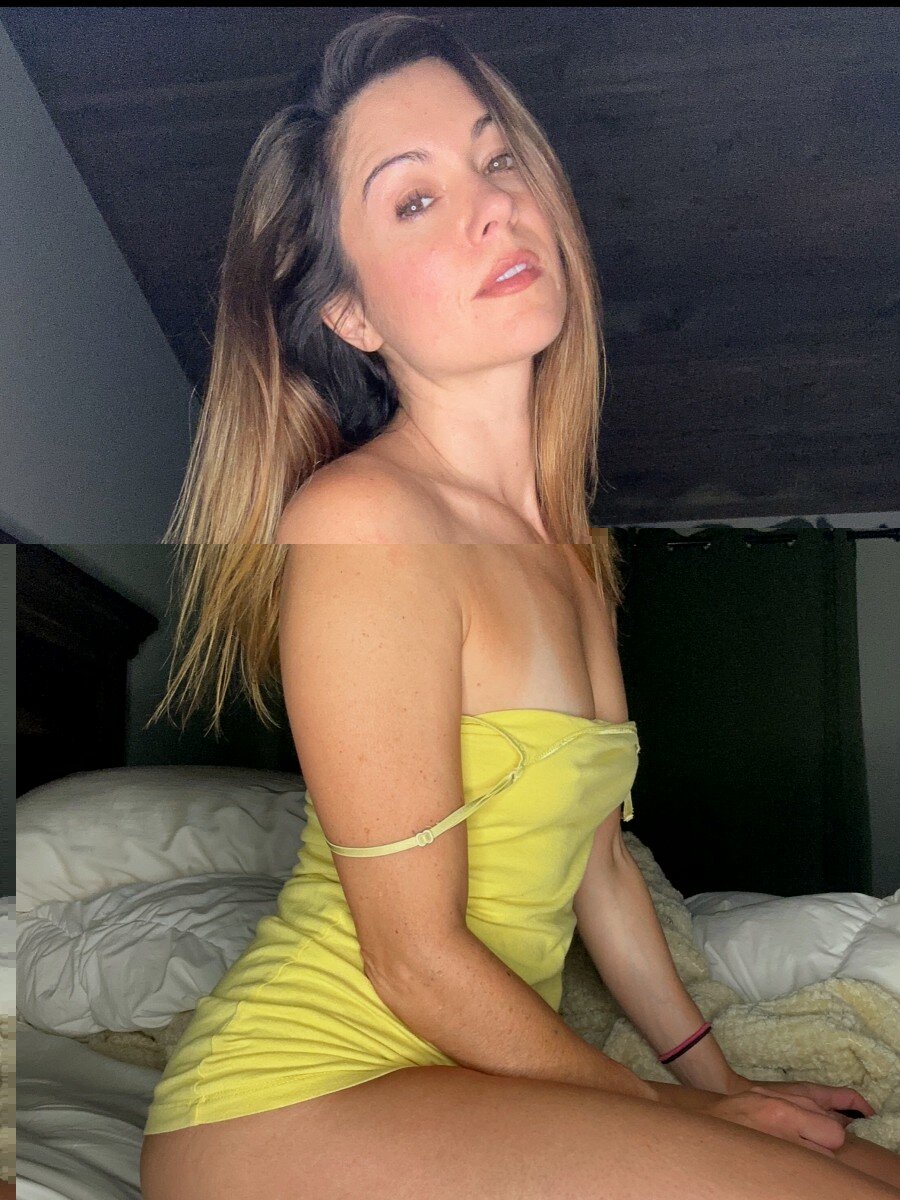
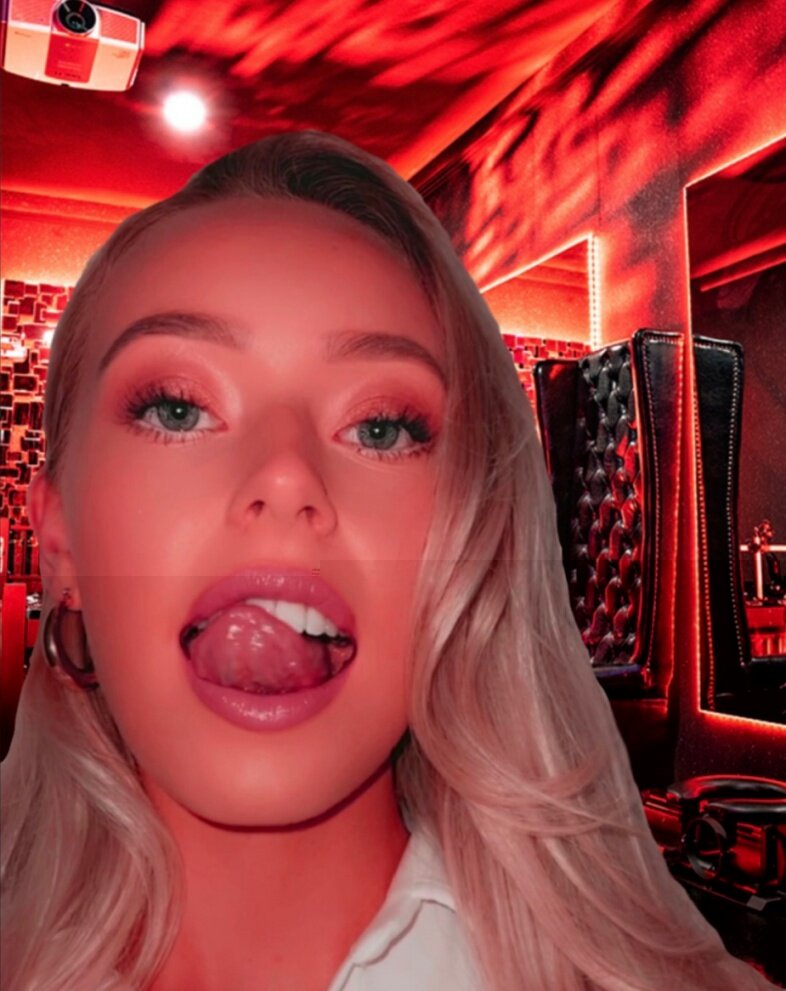
These are not real people. They are entirely synthetic creations, generated by artificial intelligence tools like Stable Diffusion and brought to life with consistent personas, backstories, and content schedules. And they are building real audiences willing to pay for subscriptions.
This guide covers everything you need to know about the AI virtual creator space: where these creators operate, how the business model works, which platforms allow AI content, the tools involved, and the ethical considerations you should understand.
Whether you are curious about subscribing to AI creators, considering building one yourself, or just trying to understand this emerging phenomenon, this is your starting point.
When people search for "AI OnlyFans," they are usually looking for one of two things:
An AI OnlyFans creator is a completely synthetic persona. There is no real person behind the photos. Instead, someone uses AI image generation tools to create a consistent looking character, develops a personality and backstory for that character, and then publishes content as if the AI persona were a real creator.
These virtual influencers can:
The most successful AI creators have earned tens of thousands of dollars monthly, with some reports of AI influencers reaching six figures in annual revenue.
Building an AI creator is not as simple as generating a few random images. Successful virtual influencers require consistent visual identity, personality development, and ongoing content production.
The foundation is AI image generation, primarily using tools like:
Stable Diffusion: Open source image generation that can be run locally or through various services. Most serious AI creators use custom trained models to maintain character consistency.
Midjourney: A popular commercial service known for high quality outputs, though character consistency is more challenging.
Custom Models and LoRAs: To maintain a consistent character appearance, creators train custom models or use LoRA (Low Rank Adaptation) files that teach the AI what their specific character looks like.
The technical workflow typically involves:
A successful AI creator is more than images. The character needs:
Backstory: Where is she from? What are her interests? What is her personality like?
Voice: How does she communicate? What is her tone in captions and messages?
Consistency: The persona must remain consistent across all interactions.
This is essentially brand building, except the brand is a fictional person rather than a product.
AI creators follow similar content strategies to human creators:
The difference is that all visual content is generated rather than photographed.
This is where things get interesting. Some AI creators are operated entirely by humans who respond to all messages personally. Others use AI chatbots trained on the character's persona to handle subscriber interactions at scale.
The combination of AI generated images and AI powered chat creates a fully synthetic creator experience that some subscribers find appealing.
The platform question is crucial. Not all subscription platforms allow AI generated content, and policies are still evolving.
Fanvue has positioned itself as the most explicitly AI friendly platform. The company has openly welcomed AI creators and built features specifically for virtual influencers.
Key points about Fanvue:
Fanvue is currently the safest choice for anyone building an AI creator from scratch.
Fansly has a permissive content policy and has become home to many AI creators. While not as explicitly AI focused as Fanvue, the platform generally allows AI content that follows their terms of service.
Key points about Fansly:
OnlyFans has a complicated relationship with AI content. The platform has stated that AI content is permitted if properly disclosed, but enforcement can be inconsistent.
Key points about OnlyFans:
If you are building an AI creator, OnlyFans is riskier than platforms that explicitly embrace AI content. The massive user base is attractive, but the policy uncertainty creates business risk.
Patreon works for AI creators producing SFW (safe for work) content. The platform is less suited for adult content but can work for:
New platforms specifically designed for AI creators continue to emerge. The space is evolving rapidly, and purpose built solutions may offer better features and clearer policies than platforms that added AI support as an afterthought.
AI virtual creators use the same business model as human creators, with some key differences in cost structure and scalability.
Subscriptions: Monthly recurring payments for access to content. AI creators typically price similarly to human creators, from free tiers to $20+ monthly.
Pay Per View: Individual content sales, often for "premium" generated content.
Tips: One time payments from fans.
Custom content: Some AI creators offer "custom" generated content, though this raises interesting questions about what customization means for AI.
Merchandise: Some AI influencers have expanded into selling physical merchandise featuring their character.
The cost structure for AI creators differs significantly from human creators:
Lower ongoing costs:
Upfront investment:
Operational costs:
AI creators have interesting scalability properties:
Advantages:
Challenges:
The AI creator space is new, and most participants are not earning significant income. Like human creators, the earnings distribution is heavily skewed:
Reports of AI influencers earning $10,000+ monthly are real but represent the top performers, not typical results.
If you are interested in creating an AI virtual influencer, here are the primary tools involved.
Stable Diffusion: The most flexible option. Can be run locally with sufficient hardware or through cloud services. Supports custom models for character consistency.
Midjourney: Easier to use but less control over character consistency. Better for one off images than maintaining a persistent character.
DALL-E and other commercial services: Various options exist, each with different strengths and content policies.
Maintaining a consistent character appearance is the technical challenge of AI creator content.
LoRA training: Creating custom model weights that represent your specific character's appearance.
Consistent prompting: Using detailed, consistent prompts that specify character features.
Face fixing tools: Post processing to correct inconsistencies in generated faces.
Reference images: Some workflows use reference images to guide generation toward consistent appearances.
Batch generation: Creating content in batches for scheduling.
Quality filtering: Reviewing generated content and selecting the best outputs.
Post processing: Editing and enhancing generated images.
Scheduling tools: Same social media and content scheduling tools human creators use.
AI chat services: Some AI creators use chatbots trained on their persona for subscriber messaging at scale.
Community management: Standard tools for managing subscriber interactions.
The AI creator space raises important ethical questions that anyone involved should consider.
The core ethical requirement: Subscribers should know they are engaging with AI generated content, not a real person.
Most platforms require disclosure. Fanvue and others specifically mandate that AI content be labeled. Operating without disclosure is deceptive and violates most platform terms.
The ethical approach:
Some subscribers develop parasocial relationships with AI creators, similar to relationships with human creators. This raises questions about:
There are no clear answers, but creators and platforms should consider these questions.
AI generation raises unique consent questions:
Training data: AI models are trained on real images. The ethics of this training data is actively debated.
Synthetic likenesses: Creating AI personas that resemble real people without consent is problematic.
Deepfakes: Using AI to create non consensual content of real people is unethical and often illegal.
Ethical AI creators:
AI creators can produce content at scale without the physical and emotional costs human creators face. This creates competitive dynamics worth acknowledging:
If you are interested in subscribing to AI generated content, finding these creators requires knowing where to look.
Fanvue: Has discovery features and often highlights AI creators. Browse by category or search for AI related terms.
Fansly: Search functionality can help find AI creators, though they may not always be clearly labeled.
Social media: Many AI creators promote on Twitter, Reddit, and other platforms, often with hashtags like #AIInfluencer or #VirtualCreator.
When evaluating AI creators:
Sometimes it is not clear whether a creator is human or AI. Signs of AI content include:
If transparency matters to you, look for creators who explicitly disclose their AI nature.
This space is evolving rapidly. Several trends are worth watching:
AI image generation improves constantly. Character consistency, image quality, and generation speed all continue to advance. Video generation is emerging, which could dramatically change what AI creators can produce.
Platforms are still figuring out policies for AI content. Expect continued changes in what is allowed, required disclosures, and how AI creators are treated relative to human creators.
Governments are beginning to consider regulations around synthetic media. Future rules could affect disclosure requirements, content restrictions, or platform liability for AI content.
As the novelty fades, AI creators will need to compete on quality, engagement, and value rather than just being novel. The market will likely consolidate around the most successful operators.
If you are a human creator, AI creators represent both competition and context worth understanding.
Competitive dynamics:
Differentiation opportunities:
Practical considerations:
Discovery platforms like OnlyFinds index both human and AI creators, making it easier for subscribers to find creators matching their preferences. For human creators, being discoverable on legitimate platforms helps subscribers who specifically want authentic human creators find you.
AI OnlyFans creators are real, earning real money, and the space is growing.
Key takeaways:
Whether you are interested in subscribing to AI content, building an AI creator, or just understanding this phenomenon, the key is recognizing that these are real businesses operating at the intersection of AI technology and creator economy dynamics.
Looking for creators to subscribe to, whether human or AI? OnlyFinds indexes over 249,000 OnlyFans profiles searchable by category, location, and price.
Find creators worth subscribing to, whatever your preferences.